
5 cinematography tips I wish I knew sooner.
Most people with bad footage blame their gear. The real problem is skipping fundamentals. These five tips are the ones I needed before I learned that the hard way.
By Dee Mount, Director of Photography, Mount Up Media · June 2026
Most people with bad footage blame their gear. The real problem is skipping fundamentals. I did exactly that. Bought an Ursa Mini 4.6k, walked onto a set for a physical therapy clinic in Denver, and delivered work so poor they never called back. Word spread. I never worked that market again. These five tips are what I needed before that day.
Consistency is measurable, not lucky.
Consistency is measurable. Every working cinematographer who repeats results does so because they use numbers, not instinct. The gear is not the difference. The method is.
How the method works.
A light meter gives you stops. Stops give you contrast ratios. Contrast ratios tell a story without a single word of dialogue. A one-to-one ratio reads clean and flat. That works for infomercials. A four-to-one ratio reads dramatic and heavy. That works for tension. These are not opinions. They are measurements. When something fails on set, a ratio tells you exactly where it failed. Without one, you are guessing every time.
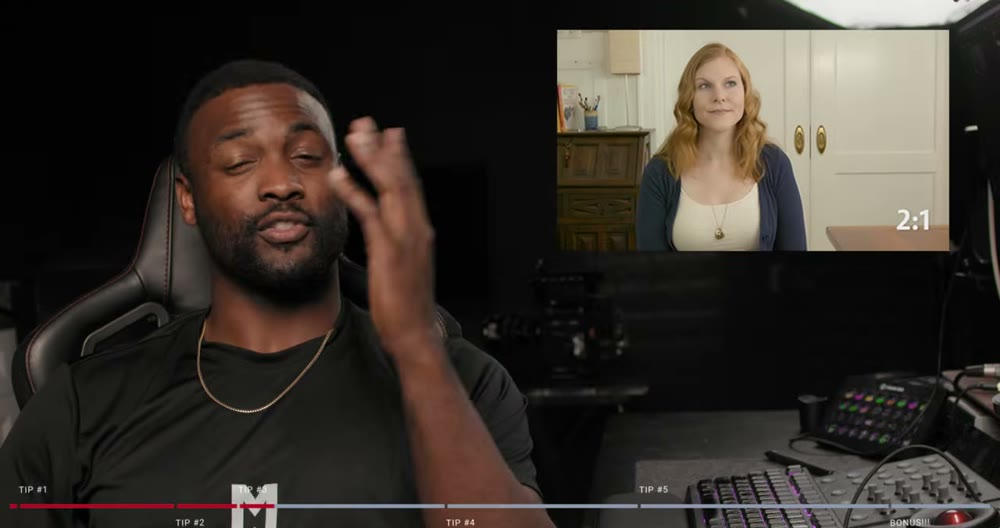
The same logic applies to your ambient light. Most shooters build from the key outward and forget the room tone entirely. That is why dark and moody attempts turn into noisy disasters. Your ambient should be the last thing you set. It unifies the image and lifts the shadows without blowing your contrast ratio apart.
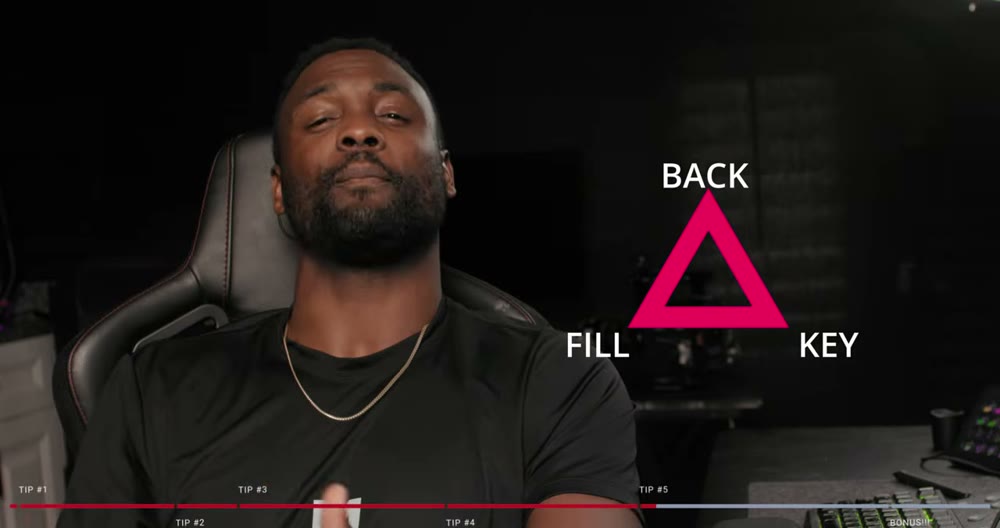
Key light placement carries meaning too. Rembrandt at 45 degrees reads distressed. Split at 90 degrees reads cold. That is not aesthetic preference. That is visual language. Your diffusion choice determines how that language lands. I use half grid for interiors, hard sources for anything dramatic, and panel lights boxed in with 4x4 floppies for commercial work. I do not light a face with any frame smaller than 6x6.
The lighting tells the story.
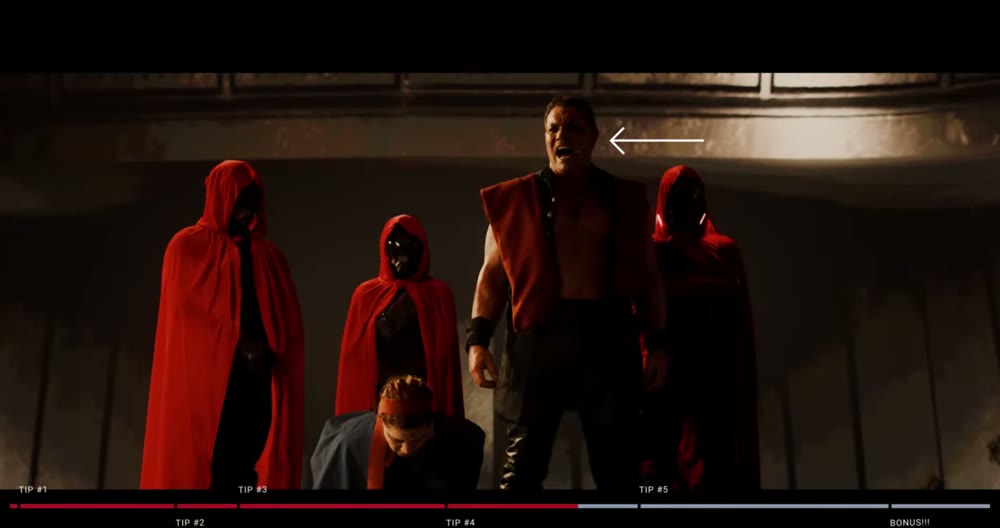
On a recent short film project, I lit a villain with backlight only. Mysterious. Unreadable. I used Rembrandt on his mother so the audience could feel her pain in the shadows across her face. Nobody in that audience knew what I did. They felt it anyway. That is the ratio and placement working together.
Why I can teach this.
I came from the NFL. I had money and bought the best cameras and the best courses and skipped straight past the basics. The Denver job proved that technology does not replace craft. I have since shot for Puma, Harper's Bazaar, Corvette, and Nvidia. The jump happened when I stopped relying on gear and started measuring my work.

The five tips.
One. Audit your Instagram feed. Hold any piece of low-quality content and hit "not interested." Do it daily until your explore page reflects the visual standard you want to reach. You create what you consume.
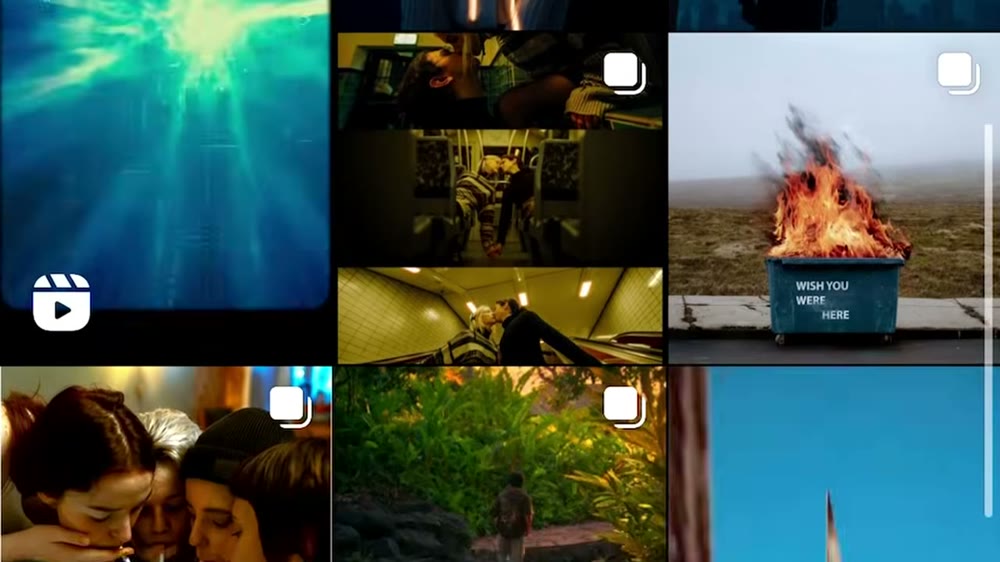
Two. Pull reference before every set. Frame.io for commercials and music videos. Shot Deck for narrative. Ad forum and iCandy for commercial direction. If you know the target, you know when you missed it.
Three. Get a light meter. Learn to speak in stops. "Bring that key down half a stop" moves faster on set than "make it a little darker."
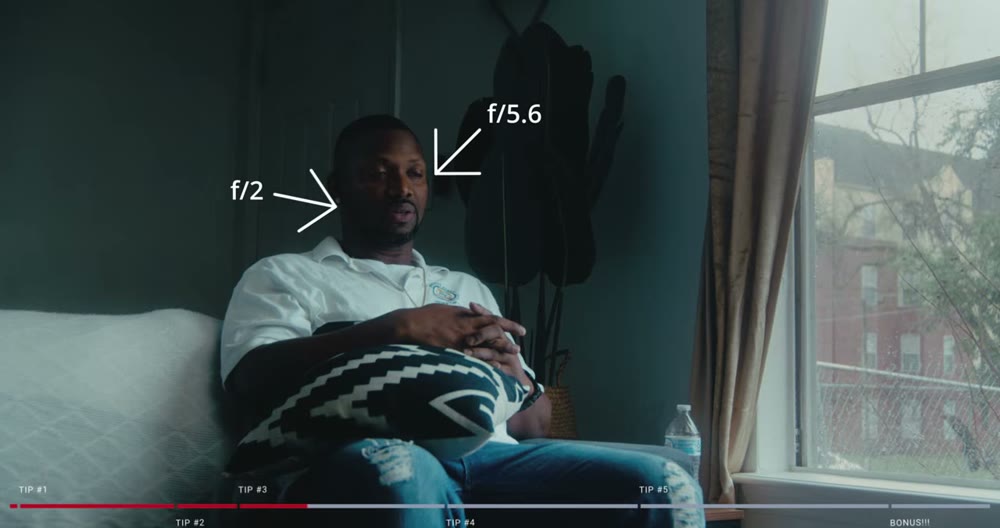
Four. Learn your contrast ratios. One-to-one. Two-to-one. Four-to-one. Practice pulling stills into DaVinci, activating false color, and matching the ratios you see. Screenshot what works.
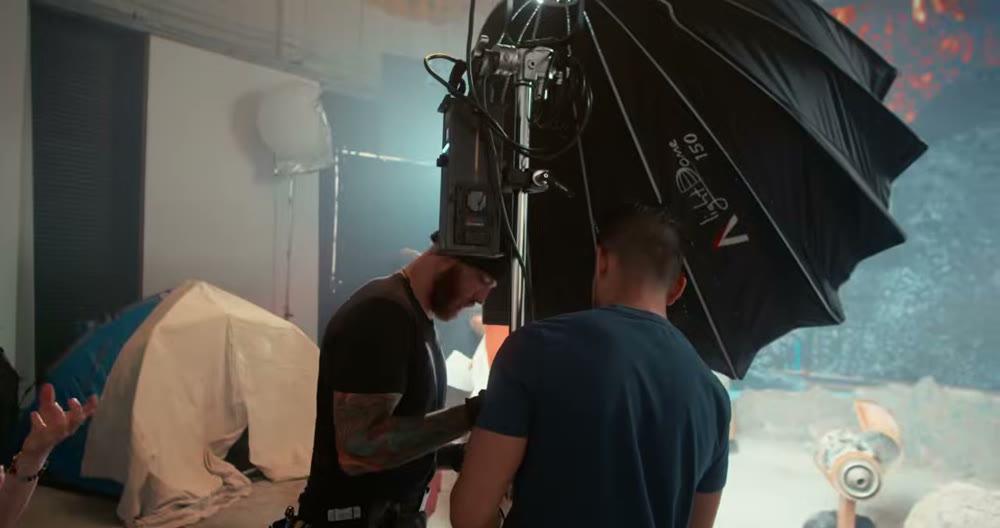
Five. Boom your ambient. Use an Amaran F22, a Godox panel, or a comparable large soft source above your subject. Rig it with a mini max boom arm if budget allows. A Kupo Junior boom stand fits in a car and works solo. Test the rig before you take it on a real set.
Bonus. Pull your footage into post yourself after every shoot. Evaluate your exposure. If you are making large adjustments to save the image, something failed on set. Small corrections mean you are getting it right. Learn color grading well enough to direct your colorist with specificity. Colorists talk to directors and producers. That relationship gets you hired.
Questions cinematographers ask.
How do you get consistent results in cinematography?
Measure, do not guess. A light meter gives you stops and contrast ratios you can repeat shoot to shoot. The gear is not the difference. The method is.
What is a contrast ratio?
The measured brightness difference between the key side and the shadow side of your subject. One-to-one reads flat. Four-to-one reads dramatic. The ratio tells the story.
Do I still need a light meter if I have false color?
Yes. False color shows you the image. A light meter gives you stops, the language you use to direct a gaffer fast and stay consistent.
How do you shoot dark and moody without a noisy image?
Control your ambient. Use a large soft source to lift the shadow floor of the whole room last, after key and fill, so shadows read clean instead of underexposed.
Where should I place my key light?
45 degrees gives Rembrandt and depth. 90 degrees gives split and conflict. Placement is a choice the audience feels.
What opens up after this.
You stop hoping the footage looks good and start knowing it will. You show up on set with a number in your head, not a feeling. You can direct your team in stops, direct your colorist with precision, and build a reputation for consistency. Consistent work becomes repeat work. Repeat work becomes the career. That is the whole thing.
Mount up.